Life changes, and so do the ways we protect the people we care about. From welcoming a new baby into the family to helping older loved ones stay safe at home, every stage brings new responsibilities and safety considerations.
November is Carbon Monoxide Awareness Month, and the National Carbon Monoxide Awareness Association (NCOAA) is recognizing 2026 with the theme “A Lifetime of Protection: Every Age. Every Stage. Protected from CO.”
Mehlville Fire Protection District encourages residents to use this month as an opportunity to review their carbon monoxide safety habits. Whether you live alone, have young children, or care for aging family members, understanding the risks of carbon monoxide (CO) exposure is an important part of keeping your household safe.
Why Carbon Monoxide Safety Matters at Every Age
Carbon monoxide is a colorless, odorless gas produced when fuels such as natural gas, propane, gasoline, wood, or charcoal do not burn completely. It can build up in enclosed or poorly ventilated spaces, creating a serious health hazard without any noticeable warning signs.
Carbon monoxide can come from furnaces, gas water heaters, fireplaces, fuel-burning appliances, and vehicles running in attached garages. Portable generators and charcoal grills can also produce dangerous levels of CO when used improperly.
Common carbon monoxide poisoning symptoms may include:
- Headaches and dizziness
- Nausea or vomiting
- Weakness and unusual fatigue
- Confusion or difficulty concentrating
- Chest pain or shortness of breath
Severe exposure can cause loss of consciousness and may be fatal. Because symptoms can resemble the flu or other common illnesses, people may not recognize carbon monoxide poisoning right away.
If your carbon monoxide alarm sounds, leave the building immediately, move to fresh air, and call 911 from a safe location. Do not attempt to locate the source or return inside until emergency personnel confirm it is safe.
The most effective approach is prevention. Working CO alarms, regular equipment maintenance, and a household emergency plan can help protect people of all ages.
Protecting Babies and Young Children From Carbon Monoxide
Bringing a new baby home often means preparing the nursery, securing furniture, and checking for household hazards. Carbon monoxide safety belongs on that checklist, too.
Infants and young children may be especially vulnerable to carbon monoxide exposure. Babies also cannot explain symptoms such as headaches, dizziness, or nausea, making prevention and early detection particularly important.
Before welcoming a new child into your home, take a few minutes to review these precautions:
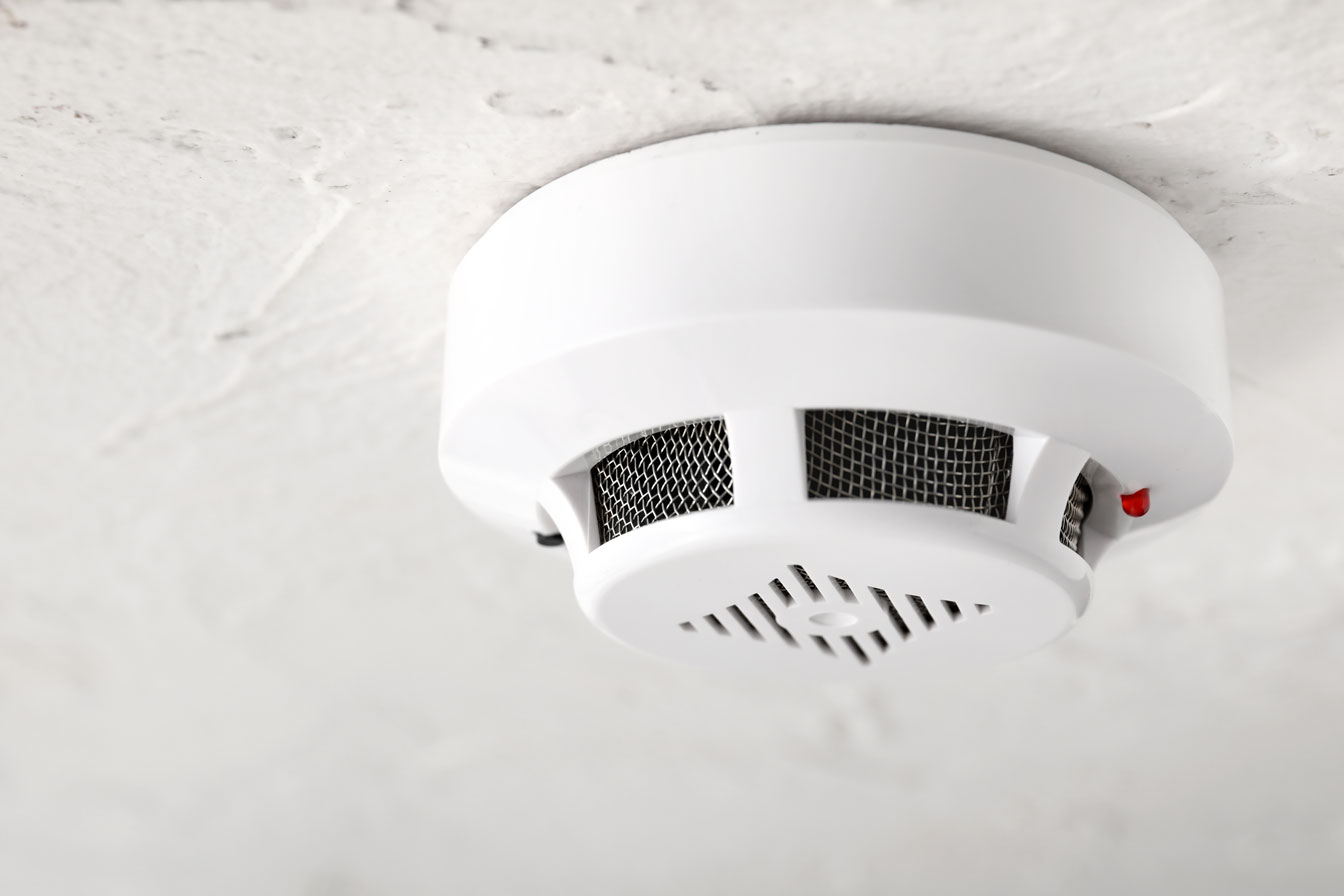
Check your carbon monoxide alarms. Install CO alarms outside sleeping areas and on every level of the home, following manufacturer instructions and applicable local requirements.
Schedule appliance inspections. Have qualified professionals inspect furnaces, water heaters, and other fuel-burning equipment.
Turn off vehicles in attached garages. Never leave a vehicle running in an attached garage, even with the garage door open.
Keep outdoor equipment outdoors. Never use charcoal grills, camping stoves, or portable generators inside homes, garages, or other enclosed spaces.
Prepare an emergency plan. Make sure adults in the household know how to safely evacuate with infants and young children if a CO alarm sounds.
As children grow, their safety needs change. What begins with adults maintaining a safe home eventually becomes an opportunity to teach children how to recognize danger and respond appropriately.
Teaching Children and Teens About CO Safety
Children learn many safety habits by watching the adults around them. Just as families practice fire drills and discuss smoke alarms, they can also talk about carbon monoxide safety.
Start with a simple explanation: carbon monoxide is a dangerous gas that people cannot see or smell. A carbon monoxide alarm warns us when there may be unsafe levels in the home.
Younger children should understand that an alarm means they need to leave the building with an adult. Older children and teenagers can take a more active role in recognizing potential hazards and helping maintain a safe environment.
Consider including these lessons in your family’s safety conversations:
- Learn what your home’s carbon monoxide alarm sounds like.
- Know at least two ways to leave the home when possible.
- Identify a safe outdoor meeting place.
- Never ignore a sounding CO alarm or assume it is a false alarm.
- Don’t use outdoor grills, generators, or camping equipment to heat indoor spaces.
- Tell an adult if a fuel-burning appliance appears to be malfunctioning.
For teenagers who are beginning to drive, reinforce the importance of turning off the vehicle before leaving it in a garage. This is especially important for vehicles with quiet engines or keyless ignition systems.
Practice makes a difference. Reviewing your family’s emergency plan helps children understand what to do without expecting them to make difficult decisions during an emergency.
Carbon Monoxide Safety for Adults and Busy Households
Between work, school, errands, and household responsibilities, it’s easy to overlook routine safety maintenance. However, many carbon monoxide hazards come from equipment and activities families use every day.
As temperatures drop across the St. Louis area, heating systems and fireplaces become a regular part of daily life. Before relying on them throughout the colder months, take time to make sure they are operating safely.
Keep Heating Equipment in Good Condition
Inspect and maintain furnaces, gas water heaters, fireplaces, and other fuel-burning appliances according to manufacturer recommendations.
A qualified professional can identify problems such as damaged venting, blocked exhaust pathways, or equipment issues that may increase the risk of carbon monoxide exposure.
Keep vents and exhaust openings clear of debris, and never use a gas oven or stovetop to heat your home.
Use Portable Generators Safely
Portable generators can provide temporary power during an outage, but they also produce carbon monoxide.
Always operate generators outdoors, at least 20 feet from windows, doors, and vents, with exhaust directed away from the home.
Never run a generator inside a garage, basement, shed, or enclosed porch, even if doors or windows are open.
Remember CO Safety Away From Home
Carbon monoxide risks are not limited to your own house. Hotels, vacation rentals, cabins, campers, and other temporary accommodations may contain fuel-burning appliances or heating equipment.
When traveling, check whether your accommodations have working carbon monoxide alarms. A portable CO monitor can provide an additional layer of awareness, but it should not replace properly installed alarms or safe equipment practices.
Whether you’re at home or away, knowing how to recognize a potential CO emergency can help protect everyone traveling with you.
Helping Older Adults Stay Protected From Carbon Monoxide
As family members grow older, their homes and daily routines may change. Some older adults live independently, while others receive assistance from relatives, friends, or caregivers.
Older adults may be more vulnerable to serious health effects from carbon monoxide exposure, particularly when they have existing heart or respiratory conditions. Symptoms such as dizziness, weakness, or confusion may also be mistaken for other health concerns.
Family members and caregivers can help by making carbon monoxide safety part of regular household check-ins.
Make Sure Alarms Are Working and Accessible
Test carbon monoxide alarms monthly and replace batteries or devices according to manufacturer instructions.
For individuals with hearing loss, consider compatible alerting devices that use flashing lights, vibration, or other accessible notifications.
Also make sure residents can hear or otherwise recognize an alarm from their sleeping areas.
Help With Seasonal Home Maintenance
Some older adults may need assistance scheduling heating system inspections, replacing outdated alarms, or checking that vents are clear.
Offering to help with these tasks can make an important difference, especially before colder weather arrives.
If an older loved one uses a fireplace, wood stove, or other fuel-burning heating equipment, make sure it is properly maintained and used according to safety recommendations.
Review Emergency Plans Together
A household emergency plan should account for each person’s mobility, hearing, vision, and other individual needs.
Discuss how to exit the home safely, where to meet outside, and how to contact emergency services.
For someone who uses a walker, wheelchair, or other mobility aid, keeping pathways clear and essential equipment nearby can help make evacuation easier.
Carbon monoxide safety isn’t just about installing an alarm. It’s also about making sure everyone in the home knows what to do when that alarm sounds.
Take the 2026 Carbon Monoxide Awareness Month Challenge
This November, the National Carbon Monoxide Awareness Association encourages families and communities to join its #ProofOfProtection initiative.
The idea is simple: show how you’re taking steps to protect yourself and others from carbon monoxide.
Participation can begin with three actions:
- Find it. Locate a carbon monoxide alarm or portable CO monitor in your home.
- Snap it. Take a photo of your device, or take a picture of yourself with it.
- Share it. Share your photo using the hashtag #ProofOfProtection and encourage someone else to check their CO protection.
Learn more about the campaign on the National Carbon Monoxide Awareness Association’s 2026 awareness page.
Before sharing your photo, take the opportunity to test the alarm and check its replacement date. A photo can raise awareness, but a properly maintained device provides the protection your household needs.
A Quick Carbon Monoxide Safety Checklist
Use Carbon Monoxide Awareness Month as a reminder to complete these household safety tasks:
- Test every carbon monoxide alarm.
- Check alarm expiration dates and replace outdated units.
- Confirm that CO alarms are installed in appropriate locations.
- Schedule maintenance for fuel-burning heating equipment.
- Review safe generator use before winter power outages.
- Discuss CO alarm sounds and emergency procedures with everyone in the household.
- Check on older relatives or neighbors who may need help with home safety tasks.
A few minutes of preparation today can help your household stay safer throughout the year.
FAQs About Carbon Monoxide Safety
Where should carbon monoxide alarms be installed?
Install carbon monoxide alarms outside sleeping areas and on every level of your home. Follow the manufacturer’s placement instructions and any applicable local requirements. Additional alarms may be appropriate depending on your home’s layout and fuel-burning equipment.
How often should carbon monoxide alarms be tested?
Test CO alarms at least once a month. Replace batteries and alarms according to the manufacturer’s recommendations, and pay attention to any low-battery or end-of-life signals.
What should I do if my carbon monoxide alarm goes off?
Leave the building immediately and move to fresh air. Call 911 from a safe location and tell the dispatcher that your carbon monoxide alarm sounded. Do not re-enter until emergency responders confirm the building is safe. Anyone experiencing symptoms should receive prompt medical evaluation.
Can carbon monoxide poisoning happen without an alarm sounding?
Yes. Carbon monoxide exposure can occur in locations without a working alarm or when an alarm is improperly installed, expired, or malfunctioning. If you suspect exposure or experience symptoms consistent with carbon monoxide poisoning, move to fresh air immediately and call 911.
Make Carbon Monoxide Safety a Lifelong Habit
Carbon monoxide prevention is not something to think about only when the weather turns cold. It is an important part of protecting your home, family, and community year-round.
As life changes, safety habits should change with it. New parents can prepare their homes for young children, families can teach teenagers how to respond to alarms, and caregivers can help older loved ones maintain safe living environments.
This November, Mehlville Fire Protection District encourages residents to take a few minutes to check their carbon monoxide alarms, review their emergency plans, and share what they learn with someone else.
For more information about protecting your home, visit our Smoke & Carbon Monoxide Alarms resource page or read our Carbon Monoxide Awareness and Safety Tips article.