
Carbon Monoxide Awareness: Protecting Your Home from the Silent Killer
The air in your home seems clean, but lurking in every house is the potential for an invisible danger: carbon monoxide (CO). Often called the “silent killer,” this gas is odorless, colorless, and tasteless, making it impossible to detect without the right technology.
Every year, CO claims hundreds of lives and sends thousands to the emergency room. Carbon monoxide awareness isn’t just a seasonal concern; it’s a year-round commitment to CO safety that every homeowner and tenant needs to prioritize. Understanding the source of the gas, recognizing the subtle signs of carbon monoxide poisoning, and ensuring your detection equipment works are the three keys to keeping your family safe.
The Invisible Danger: What is Carbon Monoxide?
Carbon monoxide is a gas produced whenever fuel, like gasoline, wood, charcoal, propane, or natural gas, is burned. In our homes, common sources include:
- Furnaces and Boilers: Especially if the ventilation system is blocked or cracked.
- Water Heaters and Clothes Dryers: Gas-powered appliances are common culprits.
- Fireplaces, Gas Stoves, and Charcoal Grills: Improper ventilation or using these inside the home can quickly turn dangerous.
- Vehicles: Running a car in an attached garage, even with the garage door open, is extremely hazardous.
If these appliances are functioning correctly and properly ventilated, the CO they produce is safely vented outside. The danger arises when equipment malfunctions, chimneys are blocked, or portable devices are used indoors, allowing the CO to build up within an enclosed space.
When inhaled, CO bonds with the hemoglobin in your blood, effectively displacing oxygen. This leads to carbon monoxide poisoning, starving the body’s vital organs, including the heart and brain, of the oxygen they need to function.
Recognizing the Symptoms of Carbon Monoxide Poisoning
Because the symptoms of carbon monoxide poisoning often mimic the flu, they can be tragically mistaken for a common illness, especially in winter. Recognizing these signs is crucial:
- Mild Exposure: Headaches, dizziness, nausea, and fatigue.
- Medium Exposure: Confusion, disorientation, impaired coordination, and vomiting.
- Extreme Exposure: Loss of consciousness, collapse, and ultimately, death.
If you suspect CO exposure, or if you and others in your home (including pets) suddenly feel sick at the same time and feel better when you go outside, you must evacuate immediately. Your CO safety plan should always start with getting fresh air.
Your First Line of Defense: The CO Detector
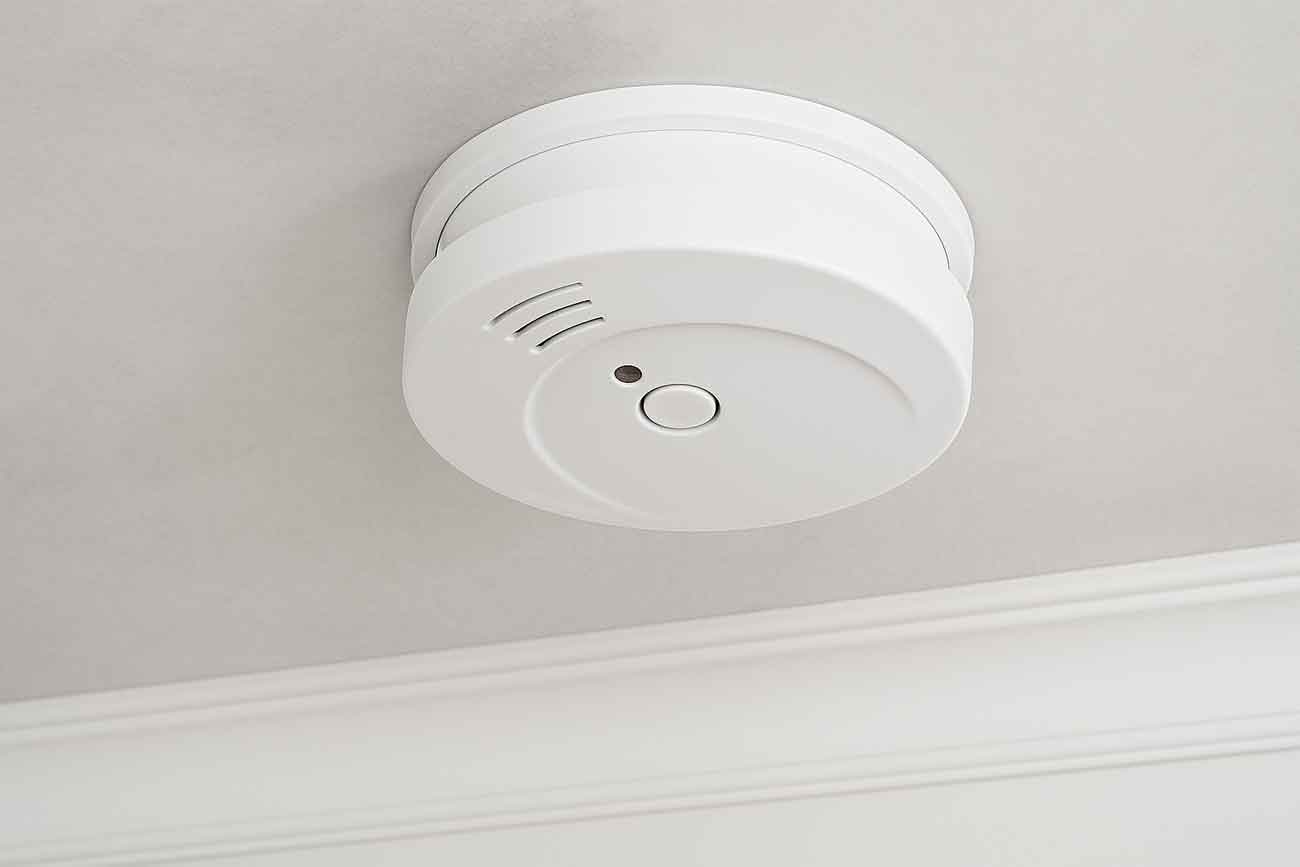
Since you cannot rely on your senses to detect this invisible danger, your carbon monoxide detector is your most critical piece of equipment. But owning one is only half the battle; knowing where to place it and maintaining it correctly is essential.
Placement and Maintenance:
- Where to Install: Place detectors on every level of your home, especially outside sleeping areas. Contrary to old advice, CO does not necessarily rise or sink; it mixes with the air. Follow the manufacturer’s instructions, but generally, detectors should be mounted centrally.
- Testing CO Alarms: You must establish a routine for testing CO alarms. Press the test/reset button at least once a month. If the alarm fails the test, replace the batteries or the unit immediately. A simple reminder: test them on the same day you pay your electric bill or change your clocks.
- CO Detector Lifespan: This is perhaps the most overlooked aspect of CO safety. Detectors do not last forever. The sensor inside the unit degrades over time, rendering the device useless. Most alarms have a CO detector lifespan of 5 to 7 years. Check the manufacture date on the back of your unit. If the detector is past its expiration date, it must be replaced immediately. A detector that is over 10 years old is entirely unreliable.
Essential CO Safety Steps
Practicing carbon monoxide awareness means focusing on prevention and preparedness:
- Ventilation is Key: Ensure all vents and chimneys are free of debris, snow, or bird nests. Have your furnace, water heater, and other fuel-burning appliances professionally inspected every year.
- Generator Rules: Never run a portable generator inside the garage, basement, or within 20 feet of any window, door, or vent opening. Even a quick use can be lethal.
- Emergency Protocol: Create and practice an evacuation plan. If the CO alarm sounds, leave the house immediately, breathing fresh air. Do not try to find the source. Call 9-1-1 or your fire department from a safe location outside. Do not re-enter the home until emergency personnel have cleared the air.
By following these fundamental practices regarding testing CO alarms and understanding your CO detector lifespan, you can confidently protect your household from the invisible danger of carbon monoxide poisoning and ensure your peace of mind.
If you encounter a CO emergency and need immediate assistance, Mehlville Fire Protection District is here to help. Our teams are available around the clock to ensure you have the protection necessary to weather any accident or issue, no matter the time or place. Keep those smoke detectors and CO alarms on, make sure they have fresh batteries, and stay safe out there!