October is when fire stations and communities across the country educate the public on ways to prevent fires as it starts to get chilly. People bring out the jackets, hot chocolate, and space heaters. Plus, people gather around fires, make s’mores, or light more candles for pleasant scents and/or relaxation. However, in the pursuit of staying warm and cozy, fire hazards remain. A few extra precautions can make all the difference in preventing accidents and keeping you, your family, and your household safe as we head into colder weather. Let’s start with all the sources of open flame that you intentionally set about your residence.
Candles, Fireplaces, Firepits and Bonfires
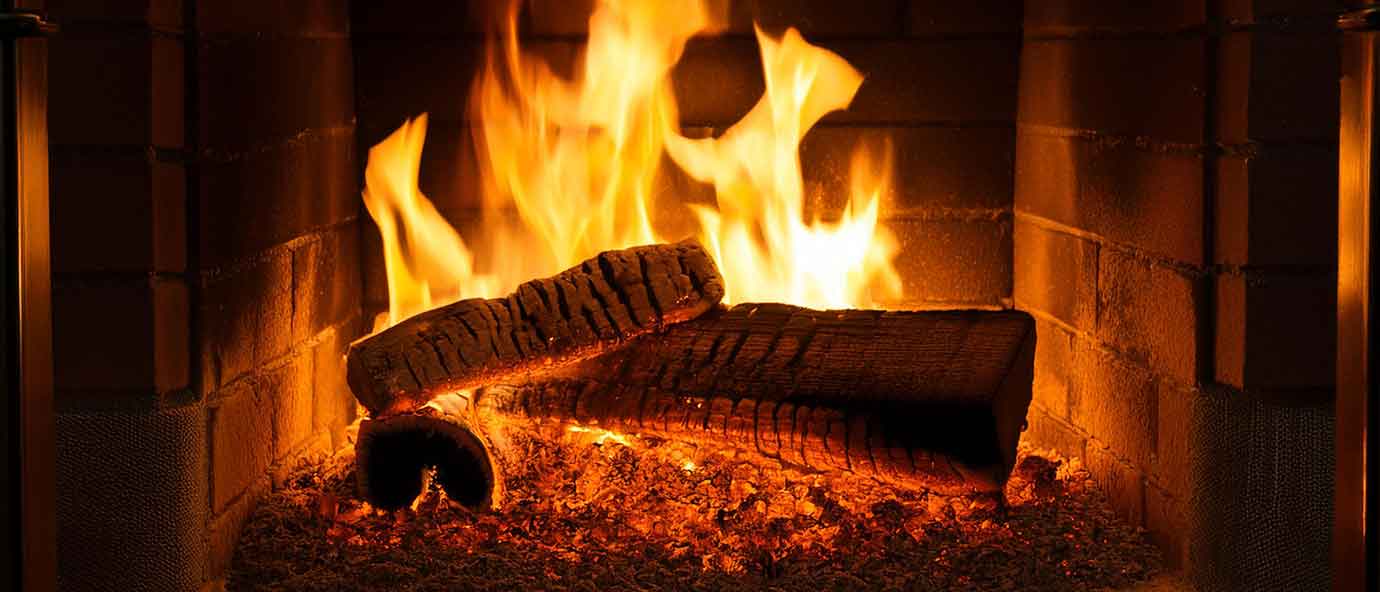
Open flames follow the same safety guidelines no matter the season. This month, it’s just the increased use and/or size of the fire. It can be that small pumpkin-spiced candle or a whole living room full of candles. It could be the small fire pit on the patio or the great bonfire on the property. All of these are nice. Yet they are also fire hazards. So make sure none of these are left burning unattended. Also, make sure the fires are completely out before moving on to other things.
Keep dry and/or flammable items away from any open flame. Examples include paper, blankets, kindling to feed the fire, or hair. This extends to those that don’t understand the risk of fire spreading, i.e., children and pets. Keep candles out of reach of both, and gently remind kids why they should be careful around fire. Pets like cats will do what they want, so keep an eye on them and the lit candles.
Open flames aren’t the only risk of fire this season. There is, of course, the electrical appliances to still keep an eye on. Especially one in particular.
Space Heaters: Dos & Dont’s
When it gets cold, many bring out the space heaters. They’re a portable, convenient heat source, and they can be personal or shared. However, even when people plug one in, they still tend to add blankets to stay warm. Nice and cozy, yes. The bad news is that they’re a fire hazard, since blankets could smother the heater. The blankets themselves could ignite if the heater gets too hot. Or if there is a spark. One spark can lead to bigger problems. Don’t worry, the difference between a safe way and the wrong way in using a space heater is clear. Here are some safe practices to heed when it comes to using a space heater:
DO
- Place heater on a flat surface
- Keep a 3-foot space from anything made of cloth (curtains, rugs, blankets, clothes, etc.)
- Check the cord and plug each time before use.
- Plug directly into an outlet.
- Keep it within sight and monitored
- Turn it off and unplug after every use.
- Use modern models with safety features such as overheat protection sensors and an automatic tip-over switch.
DON’T
- Place the heater on flimsy or soft areas.
- Crowd it with lots of items, cloth, or otherwise.
- Plug it into a shared power source like a power bar.
- Leave it on or unattended for any period of time.
Smoke Alarms & Detectors
Even with every precaution, fires can still happen. That’s why tools that provide you with early detection are so important to also have around. Smoke alarms and smoke detectors do what they’re named for. It’s a great advantage to be alerted if a fire is starting or already happening. So take this as a helpful reminder to check the batteries and make sure they work. These devices give you time. They alert you to the situation and potential danger, and tell you to put it out. Or to call for firefighters to come handle it. Remember that is always the safer option to do. Also remember that smoke alarms are not the only device to alert you to potential danger within the home.
Carbon Monoxide
Some smoke detectors sense rising carbon monoxide levels. Others are solely for monitoring levels within a space. Some of those can be purchased and plugged into a wall if you want to add one more to your home. It’s just extra help in making sure your family is safe. If you can’t see a fire or there’s an unseen cause of a rise in carbon monoxide, it will let you know it’s time to leave the house. Still call the fire department to check the air quality before going back in. Along with monitoring the air and electrical appliances in the home, there is one more thing to check.
Check Lithium-Ion Batteries
These batteries are also a potential fire hazard in your home. Especially if you have battery powered equipment or rechargeable devices. Lithium-ion batteries are a concern because they can cause a chemical fire if they overheat or explode. Handle them with care, keep them away from other objects, and check them regularly. Better safe than sorry when it comes to any fire hazards. However, even with all the preparative precautions, knowing what to do when it happens is still vital.
Review Your Family’s Fire Escape Plans
A good plan is a simple one. Make sure it covers the necessary details, but it doesn’t have to be as long as a college thesis. A fire plan is to get out safely and quickly. Best practice is to identify two ways out, if possible. This could mean using a ladder or bedsheets as a rope to get out a window. Also make sure everyone in the home knows where all fire extinguishers, blankets, and kits are. When everyone in the family knows the plan, it is more likely to go as smoothly as possible (even in an emergency).
The next step, whether dealing with a small fire or escaping a spreading one, is to reach a designated safe meeting place. This helps if anyone gets separated during the rush to escape the fire. An established plan helps everyone keep a level (or more level) head, reducing panic, injuries, and confusion.
Practice Fire Prevention With Us This Month
No matter the season, fire safety starts with preparation. And luck favors the prepared. In other words, when you’re prepared, the risk of fire is diminished. It may not be zero. Fire hazards can be found both inside and outside the home. Many of the precautions below we shared in one of our summer blogs as they still apply with autumn. One of the key things to do is keeping electrical and heat sources away from flammable items. Other ways to reduce your risk of a fire emergency are:
- Cleaning dry leaves and yard debris from around your home.
- Keeping grills away from structures and combustible materials.
- Never leaving fire pits or grills unattended.
- Properly extinguishing campfires and backyard fires.
- Keeping stacked logs or lumber away from the house.
- Avoiding plugging too many plugs into one power source.
- Never leaving any appliance on or unattended.
Learn how to take proactive steps to stay safe and warm without risking a fire. Contact Mehlville Fire Protection District for more helpful fire safety tips and more.